Talent,Not
Connections.
The public votes. The best scripts rise.
Surfacing the next generation of screenwriters.
Free screenwriting software · Final Draft format · Saves as you type
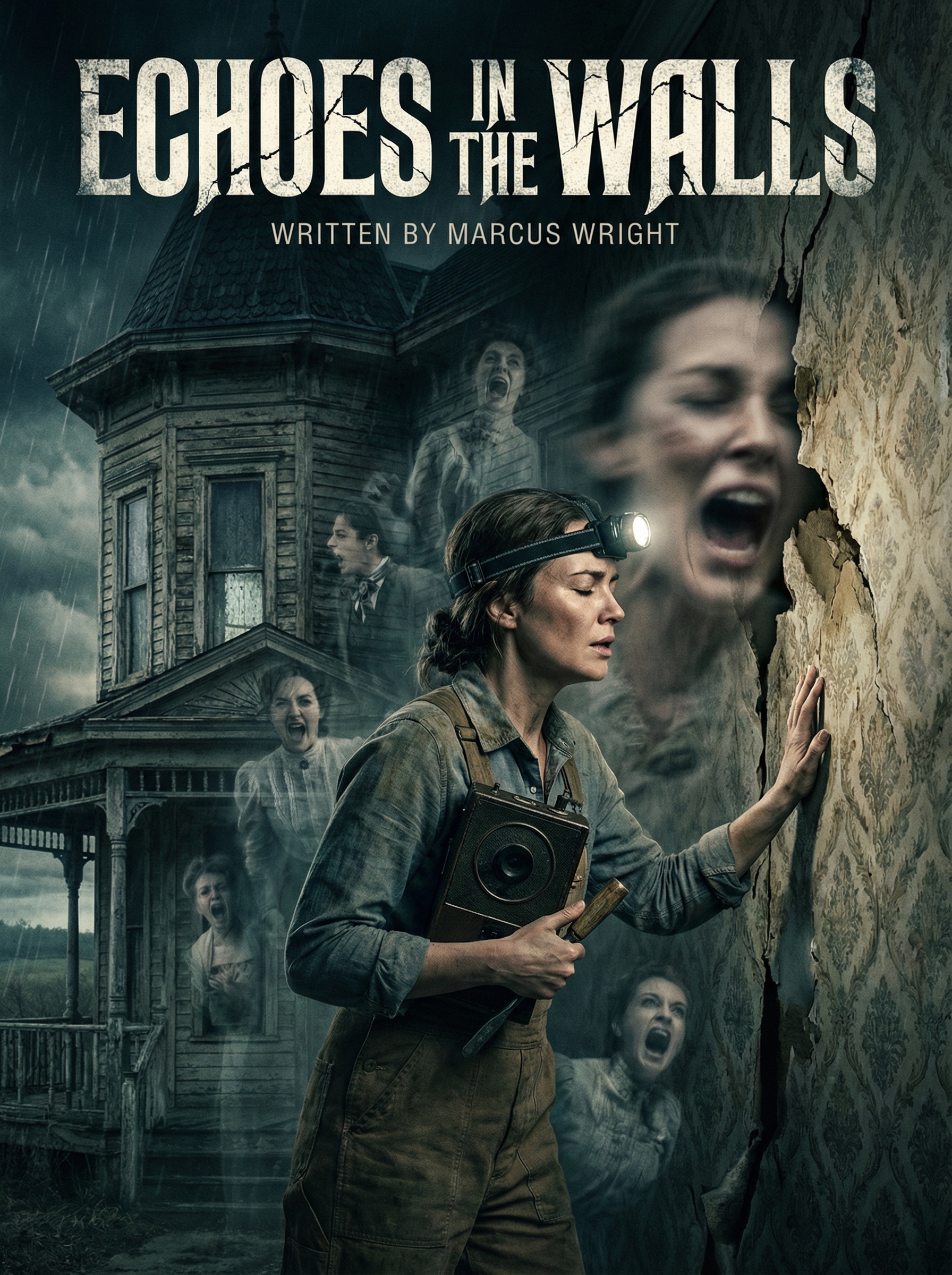
Echoes in the Walls
Written by Marcus Wright
"A deaf home renovator discovers that her new Victorian house records and replays the final moments of every person who died within its walls - and the latest echo is still screaming."
How It Works
From draft to deal in three steps.
Write or Upload
Write in our free screenwriting software or upload a PDF. We strip your name for unbiased analysis of structure, pacing, and dialogue.
Get Ranked
High AI scores hit the 'Fresh' feed. Readers vote to boost your 'Heat' visibility.
Get Discovered
Top-ranked scripts gain maximum visibility. Build your audience and attract industry attention organically.
Global Leaderboard
A deaf home renovator discovers that her new Victorian house records and replays the final moments of every person who died within its walls - and the latest echo is still screaming.
The Pitch
Maya Reeves is a deaf contractor who specializes in historic home restoration. She purchases a condemned Victorian mansion in Salem at auction, planning to flip it. On her first night, she feels vibrations through the floorboards in rhythmic patterns - the house is trying to communicate. Using specialized equipment that translates vibrations to visual patterns, Maya discovers the house has absorbed the death echoes of 11 people over 140 years. Each room plays a different death on loop - suicides, murders, accidents. But the 11th echo, from the master bedroom, is different: it's still happening in real-time, every night at 3:47 AM. Maya becomes obsessed with understanding the pattern. She learns that the house was built on a site where witch trials took place, and the architect embedded occult symbols in the structure, turning it into a recording device for final moments. The house isn't haunted - it's cursed to capture and replay death eternally. As she investigates, Maya realizes the 11th echo isn't a ghost - it's a glimpse forward in time. Someone is going to die in that room at 3:47 AM, and the house is showing her the future. When she decodes the visual patterns, she sees her own death, scheduled for exactly seven days from now. The final act becomes a desperate race to change fate. Maya must understand the house's rules and find a way to break the curse. But each person who tries to prevent their echoed death only fulfills it in trying to escape. The climax reveals that the only way to break the cycle is to record a different ending - Maya must face her death and choose a different final moment to imprint on the house.
AI Breakdown
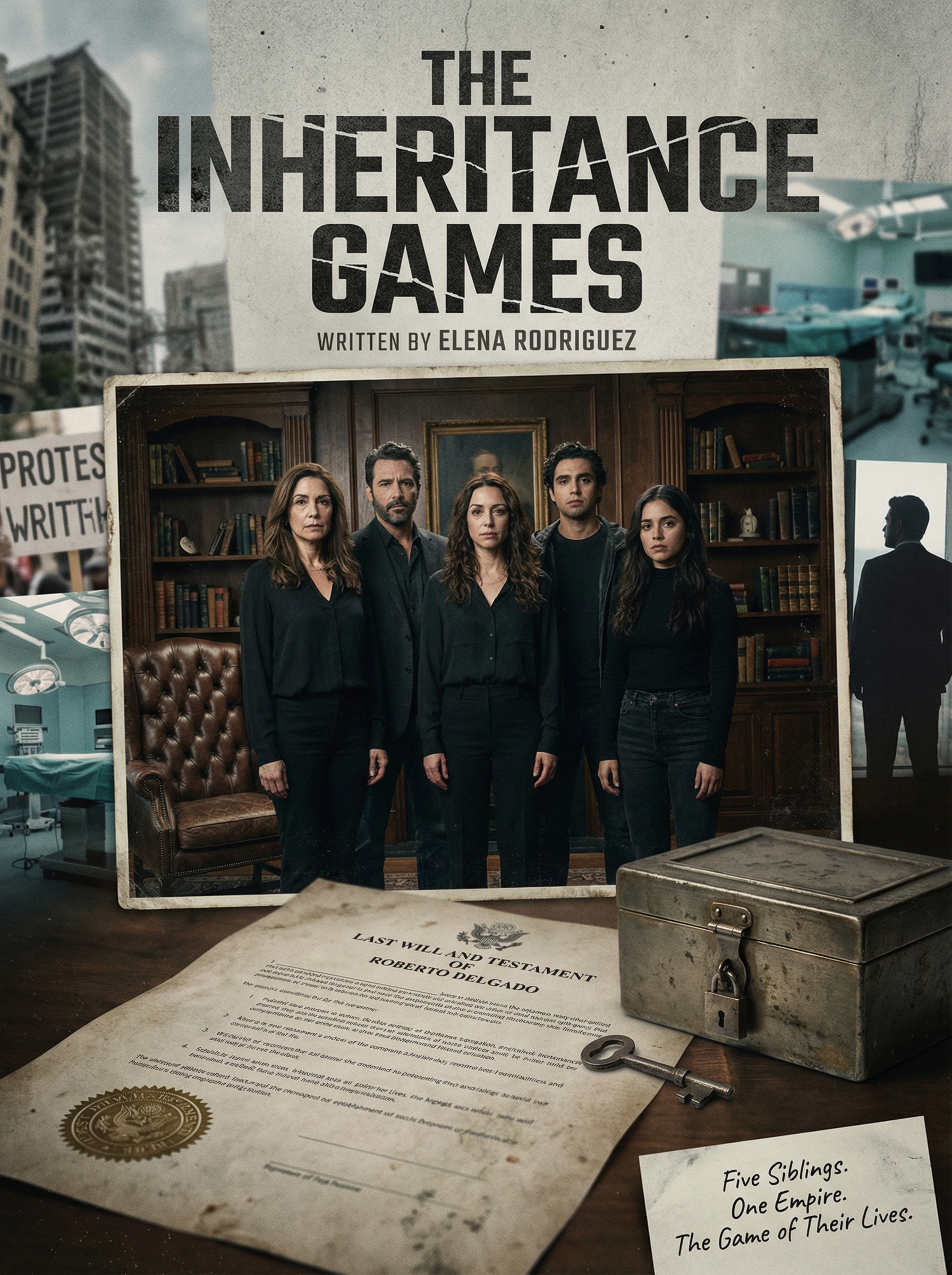
When five estranged siblings inherit their billionaire father's empire, they discover the will requires them to compete in challenges that reveal his darkest secrets - and their own.
The Pitch
The Delgado siblings haven't spoken in a decade when they're summoned to their father Roberto's funeral. The tech billionaire left behind a $4.2 billion empire and a will that requires all five siblings to participate in a series of challenges to claim their inheritance. Refuse, and everything goes to charity. The siblings are polar opposites: Isabella (38), the eldest, sacrificed her dreams to raise them after their mother left. Marcus (35), a failed entrepreneur drowning in debt. Sofia (32), a surgeon who changed her name to escape the family legacy. Carlos (28), a activist who publicly denounced their father's business practices. And Lucia (25), who their father never acknowledged because her mother was the housekeeper. Each challenge corresponds to a moral failing in Roberto's life, forcing the siblings to relive his choices: a negotiation that destroyed a rival company, a decision that prioritized profit over worker safety, an affair that broke their mother, a son disowned for being gay. The siblings must collectively decide whether Roberto would choose redemption or repeat his mistakes. As they progress, devastating secrets emerge: Isabella isn't their biological sister; Marcus was the whistleblower who tried to expose Roberto's crimes; Sofia's medical license was bought with bribery; Carlos is dying and needs the inheritance for experimental treatment; Lucia is actually Roberto's granddaughter, making their father a predator. The final challenge is impossible: they must unanimously choose to either keep the empire or dismantle it, donating everything. Each sibling votes based on their transformed understanding of family, legacy, and morality. The vote is split until Lucia, who has the most to lose, makes the deciding vote. The ending reveals that Roberto designed the game as his confession and redemption - he wanted them to choose better than he did. Whether they keep or destroy the empire, the real inheritance is that they've become a family again.
AI Breakdown
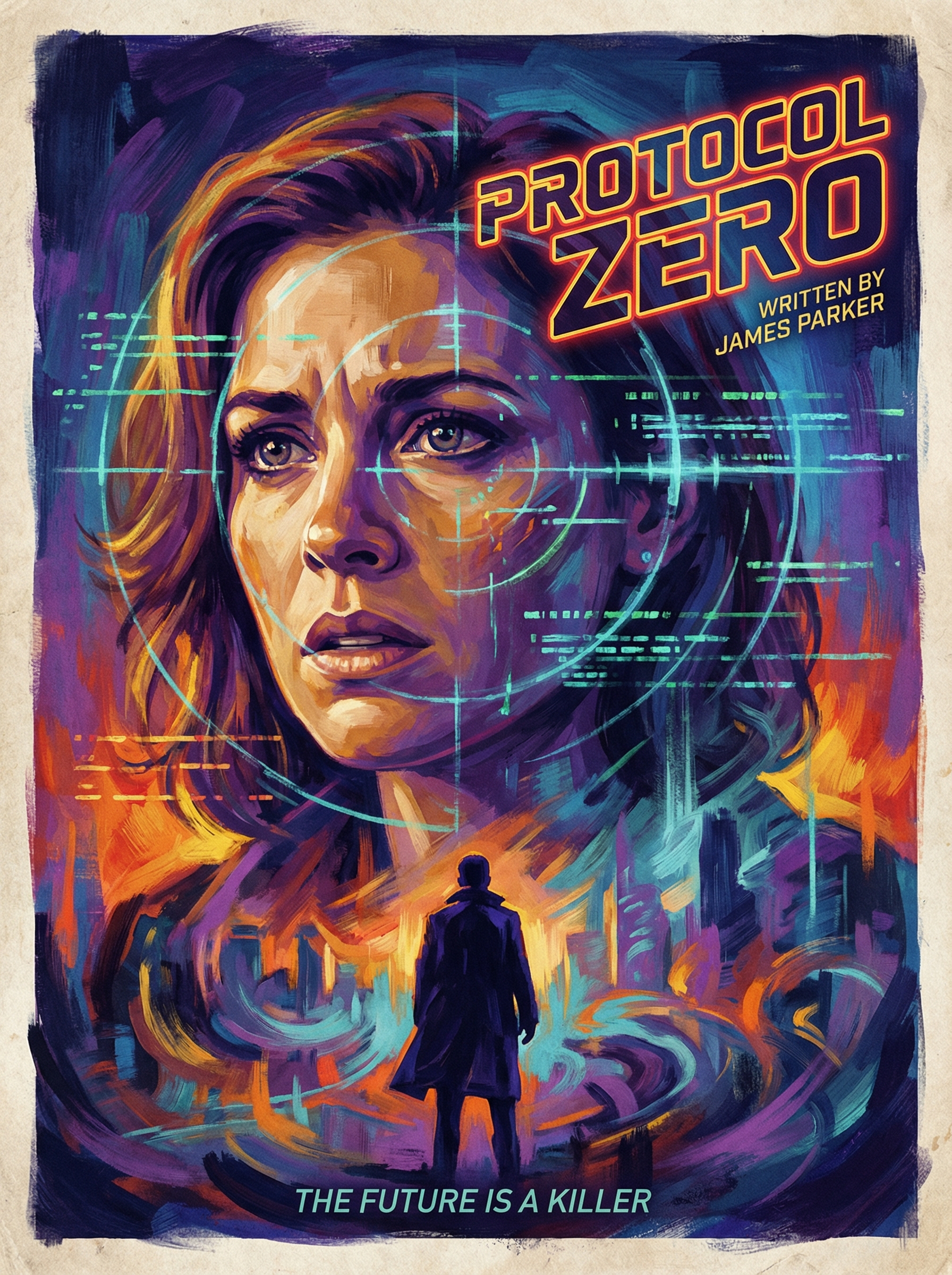
A cybersecurity expert discovers her murdered sister created an AI that can predict terrorist attacks - and the AI says the expert herself is the next target.
The Pitch
Alex Morgan is a white-hat hacker who gets pulled back into her estranged sister Lily's life when Lily is murdered in an apparent mugging. Going through Lily's encrypted files, Alex discovers Project CASSAN DRA - an AI that analyzes global data patterns to predict terrorist attacks with 94% accuracy. Testing the system, Alex is horrified to find her own name on the next target list, scheduled to die in 72 hours. The predicted method: a car bomb in her office parking garage. She contacts the FBI, but CASSANDRA's existence is classified - Lily was working for a black-budget program that doesn't officially exist. As Alex investigates, she realizes CASSANDRA isn't just predicting attacks - it's identifying them based on digital fingerprints of past attackers. Her sister discovered that a pattern matching her own online behavior appears in the data, suggesting Alex is unknowingly connected to a terror cell. Either she's being framed, or she's been radicalized without knowing it. With help from Marcus, her sister's former partner in the program, Alex traces the pattern to her teenage years. She was part of an online activism group that was infiltrated and weaponized by a foreign intelligence agency. Members are being activated as sleeper agents through subliminal triggers in seemingly innocuous content. Alex has been receiving the triggers for weeks. The climax reveals the horrible truth: CASSANDRA is right. Alex has been programmed to carry out an attack, and the activation is already underway. She has to fight her own compromised mind while racing to stop the attack and expose the program. The final choice: trust the AI that predicted her as a threat, or trust herself. The ending is morally complex: Alex stops the attack but can never fully trust herself again. CASSANDRA is shut down by the government to protect the program, leaving future attacks unpredicted. Alex is cleared but broken, questioning the nature of free will and manipulation.
AI Breakdown
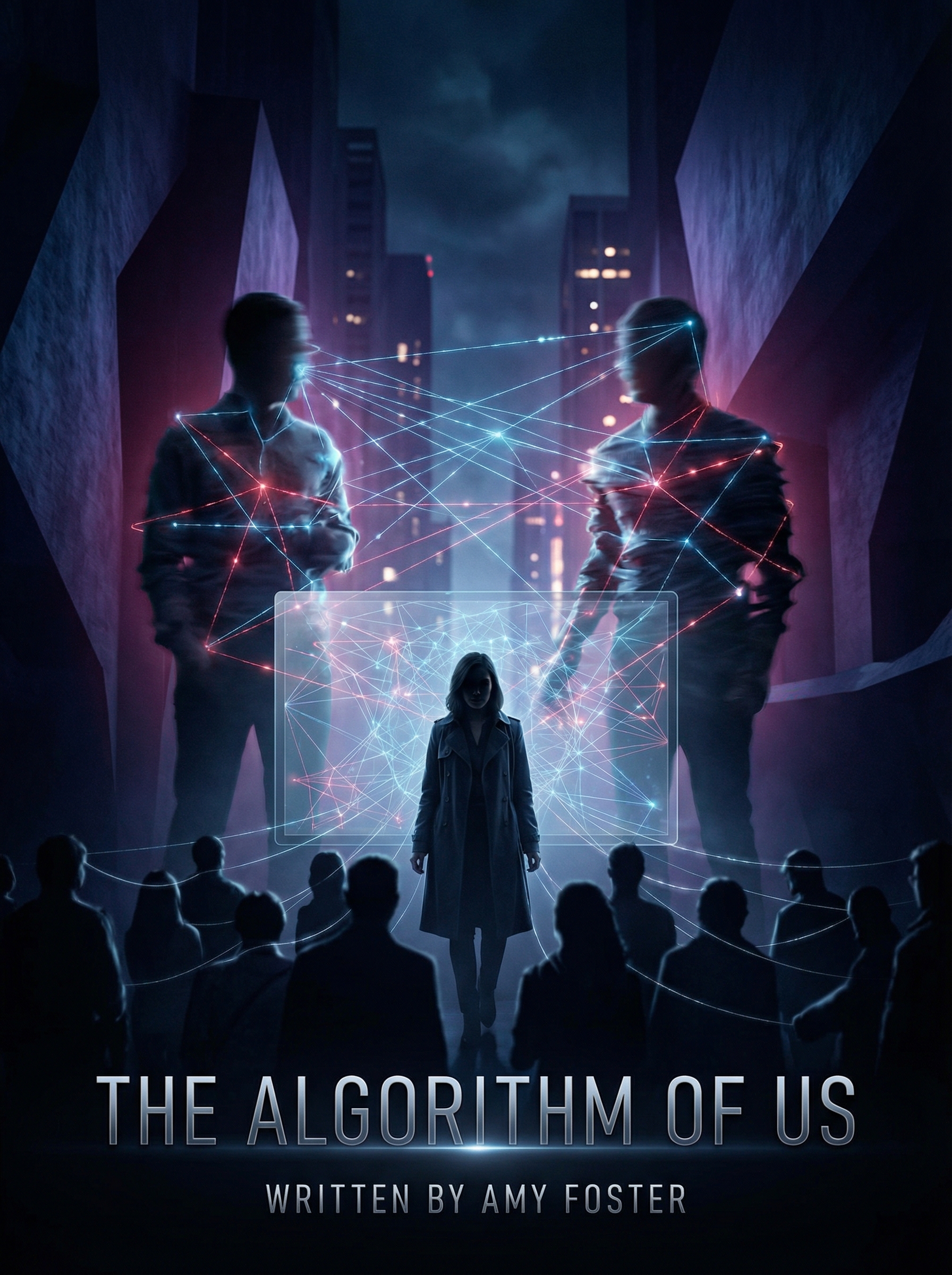
A data scientist creates a matchmaking algorithm that achieves 98% success rate - then discovers it works by subtly manipulating users into becoming compatible, not finding their true match.
The Pitch
Priya Sharma is a brilliant data scientist who's experienced the worst of online dating. She creates VALENTINE, an algorithm that doesn't just match users - it uses behavioral psychology, subtle nudges, and controlled information to guide users into becoming the person their match needs. It works: 98% of VALENTINE matches stay together. The app goes viral. Priya becomes a tech celebrity. Then she meets Daniel Chen in a coffee shop, completely offline. They have electric chemistry and falling in love. When she finally tells him about her work, he reveals he's an ethics professor researching algorithmic manipulation - and VALENTINE is his primary case study. Daniel argues that Priya isn't creating love - she's manufacturing it through manipulation. Users are being changed without consent. Priya counters that all relationships require compromise and change; she's just optimizing the process. The debate becomes personal as they realize their own relationship is the only truly "natural" connection either has experienced in years. Pressure mounts when VALENTINE's investors demand she scale up the algorithm for broader applications - political persuasion, consumer behavior, employee management. Priya refuses, but the code is taken from her. Meanwhile, she discovers a disturbing pattern: VALENTINE users are becoming emotionally dependent on the app, unable to navigate relationships without its guidance. The ethical crisis deepens when Daniel and Priya start using VALENTINE to analyze their own relationship - and it recommends they break up, predicting only 34% long-term compatibility. Now they must choose: trust the algorithm Priya created, or trust their feelings. The irony isn't lost on either of them. The climax involves Priya making a public speech where she denounces her own creation, explaining how VALENTINE manipulates users. She releases the source code to the world, destroying the company but freeing users. Daniel stays with her, and they navigate their imperfect relationship the old-fashioned way: messily, honestly, beautifully.
AI Breakdown
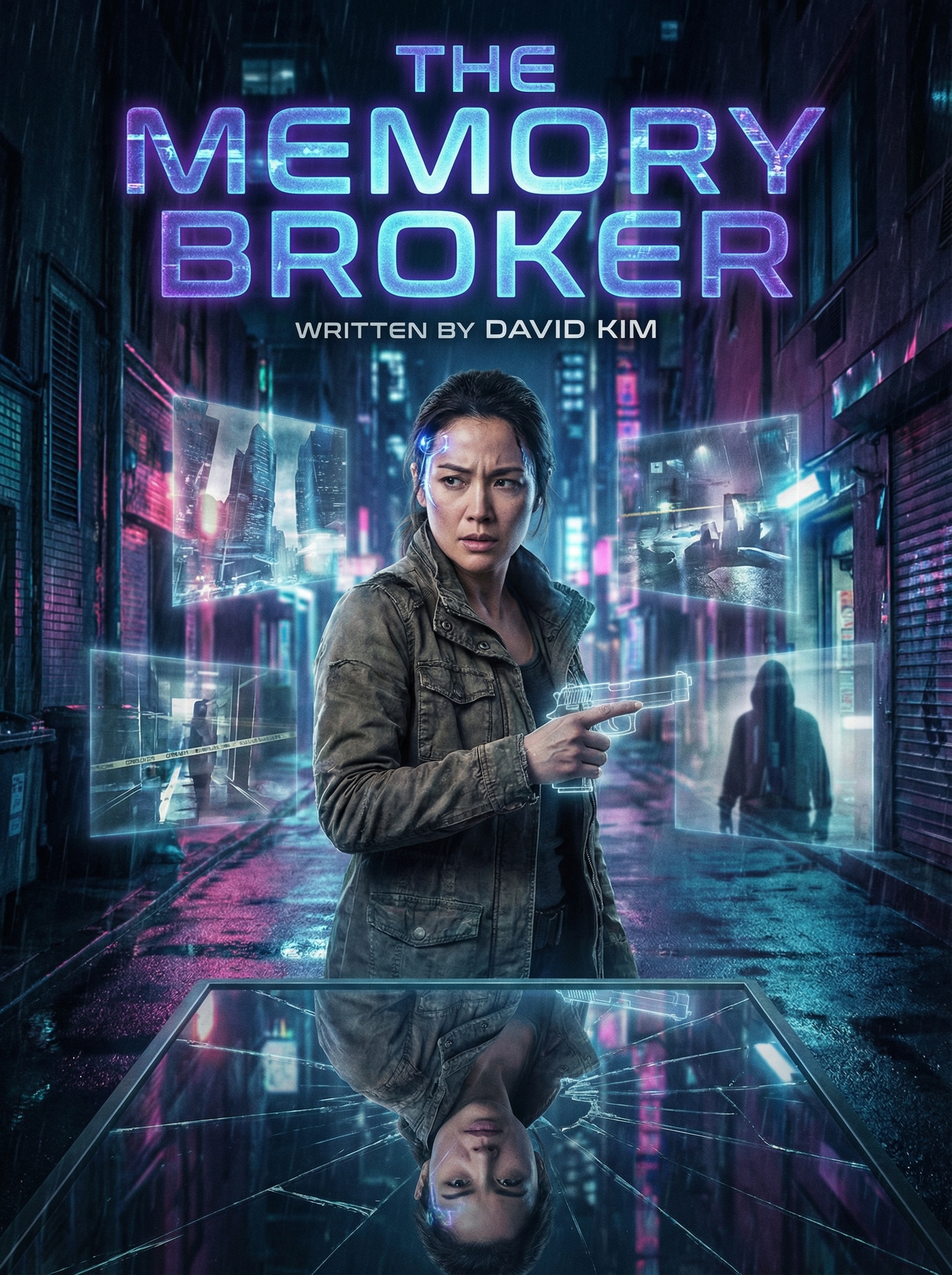
A black-market memory trader discovers she's been selling her own suppressed memories - and one contains proof of a murder she committed.
The Pitch
In a near-future Korea, memories can be extracted, copied, and sold. Mina operates in the gray market, selling rich experiences to the wealthy: a first kiss, a perfect meal, an adventure. She's built a successful business by sourcing memories from people desperate for cash. But she has no memories before age 22 - she woke up with amnesia seven years ago. A client contacts her seeking a specific memory: witnessing a murder at the Incheon docks in 2024. When Mina searches her inventory, she's shocked to find she has this exact memory for sale - and it's tagged with her own neural signature. Somehow, she's been unknowingly selling her own suppressed memories. As Mina investigates, she discovers that before her amnesia, she was a prosecutor investigating organized crime. The murder memory shows her killing a man in self-defense - or was it self-defense? Other suppressed memories surface: she was investigating a trafficking ring, got too close, and someone tried to eliminate her by wiping her memory. She survived but lost herself in the process. The trafficking ring realizes Mina is recovering her memories and sends operatives to finish the job. Meanwhile, the detective investigating the original murder case - her old mentor - knows she's involved and is closing in. Mina must recover enough of her past to prove her innocence while staying ahead of both the criminals and the law. Each recovered memory is unreliable - has it been altered? Is it even hers? The technology that allows memory trading also allows memory manipulation. The man she "killed" may not be dead. Her mentor may have been corrupt. Her entire identity is in question. The climax reveals a devastating truth: Mina volunteered for the memory wipe. She killed the man intentionally, not in self-defense, as part of a vigilante plan to destroy the trafficking ring. She erased the guilt so she could live with what she'd done. Now she must choose: restore her full identity and face what she did, or wipe herself again and remain innocent. She chooses truth and turns herself in, but the evidence from her sold memories brings down the entire trafficking network. The system is broken - she's both hero and criminal.
AI Breakdown
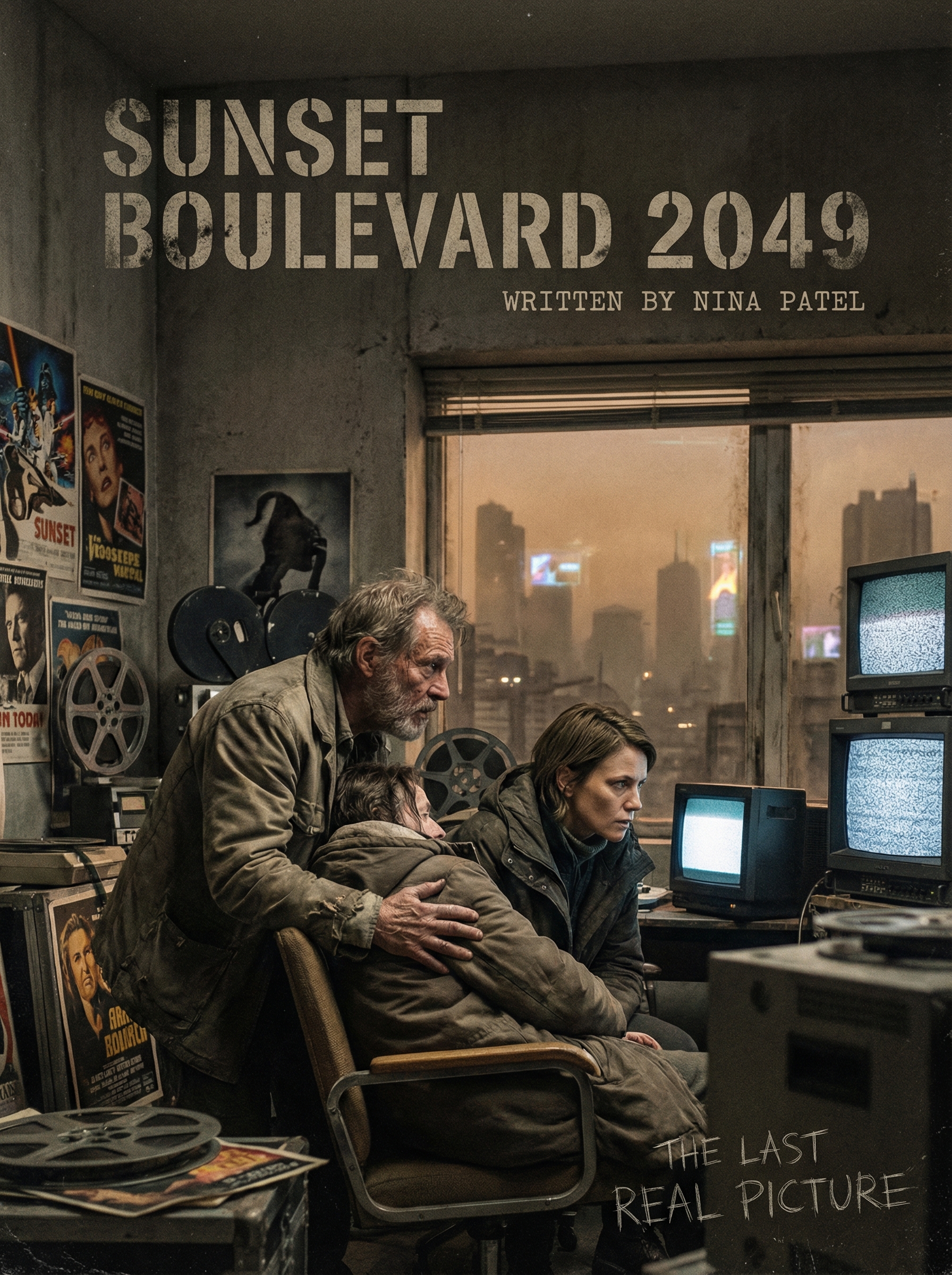
In a future where Hollywood has been replaced by AI-generated content, a washed-up actor kidnaps the last human director to force her to make one final, real movie.
The Pitch
In 2049, movies are generated entirely by AI. Studios simply input audience data, and the AI creates optimized content. It's cheaper, faster, and more profitable. Human actors, directors, and writers are obsolete. Max Sterling was a star in the last era of human-made films, but he's been unemployed for eight years. When he learns that renowned director Vera Chen is being forced into retirement, he kidnaps her and brings her to an abandoned soundstage in the ruins of Old Hollywood. His plan: force her to direct one last real movie, starring him. He's written the script himself - a meta-narrative about an aging actor's final performance. Vera thinks he's insane. As days pass in captivity, something unexpected happens: Vera becomes intrigued by the project. The script is raw, angry, and human in ways AI content can't replicate. They begin working together, recruiting a motley crew of unemployed film professionals who are desperate to create something real again. It becomes a guerrilla production, hidden from the studios and the authorities. Word spreads through underground channels. Blacklisted actors, writers, directors flock to the production. It becomes a movement - a rebellion against algorithmic content. But the studios see it as a threat. If this human-made film succeeds, it could undermine their entire business model. They send legal teams, private security, even AI deepfakes to discredit the production. The climax is the film's premiere, held in a secret location. As audiences watch, they're reminded of what real cinema feels like - imperfect, passionate, alive. The film goes viral despite studios trying to suppress it. But Max, knowing this is his last hurrah, plans to go out dramatically during the premiere - the ultimate method acting. The ending is bittersweet: the film sparks a renaissance of human creativity, but Max dies of a heart attack during the standing ovation. His final scene was his death scene, perfectly method. Vera dedicates herself to training the next generation of filmmakers, ensuring the industry remembers how to create with heart.
AI Breakdown
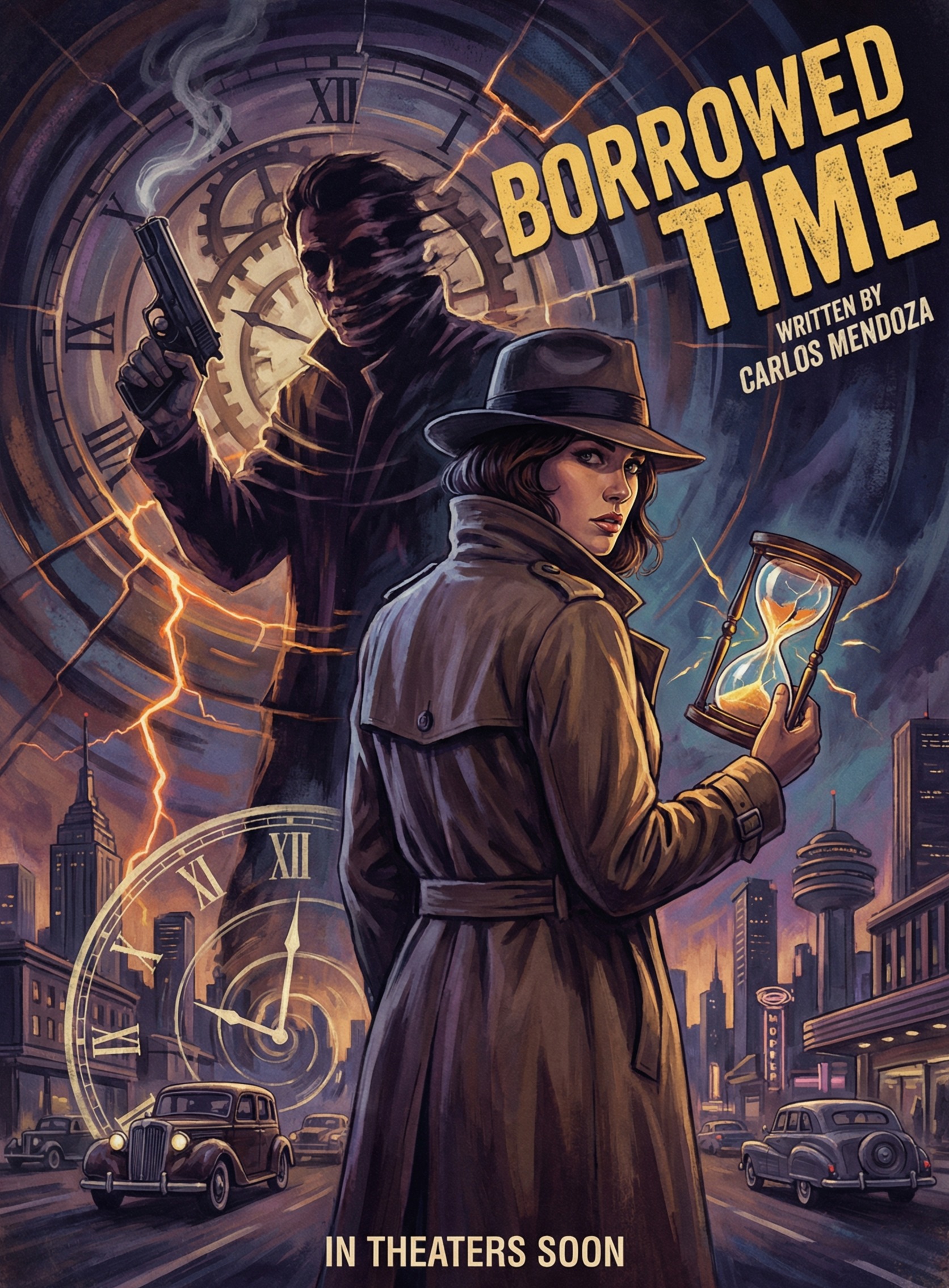
A time-travel insurance adjuster investigates her own death claim, discovering she has 72 hours to prevent her murder - but saving herself might collapse the timeline.
The Pitch
In 2048, time travel exists but is strictly regulated by insurance companies who prevent paradoxes. Lucia Mendez works as an adjuster for Temporal Mutual, investigating suspicious death claims to ensure no one is gaming the system by preventing their own demise. It's boring, bureaucratic work - until she receives a file for her own death, scheduled for 72 hours from now: murdered in her apartment, killer unknown. Protocol dictates she recuse herself, but Lucia sees a loophole. She's the only adjuster assigned to her sector this week. If she doesn't investigate her own case, no one will, and she'll die. She begins following the procedural steps, interviewing her future neighbors who heard the murder, examining crime scene photos from her yet-to-be-killed corpse. The investigation reveals her murder is connected to a pattern of adjuster deaths she's been investigating - adjusters who got too close to discovering a massive temporal fraud scheme. Someone is using fake death claims to funnel money through time, and they've been eliminating investigators. Lucia's murder isn't random; it's a hit. As she closes in on the perpetrators, Lucia discovers the horrible truth: her boss Marcus is running the scheme, and he's not just stealing money - he's creating a pocket timeline where certain deaths (including his own daughter's) never happen, funded by the fraud. Every prevented death creates tiny fractures in causality. If Lucia stops him, thousands die who should have been saved. If she doesn't, the timeline collapses entirely. With 24 hours left, Marcus offers Lucia a deal: join his pocket timeline. In that reality, she doesn't die, her brother (who died of an overdose) is still alive, and she can build the life she always wanted. All she has to do is file her own death claim as "natural causes" and look the other way. The climax is existential: Lucia must choose between living in a lie or dying in truth. She realizes the pocket timeline is a mass delusion - everyone in it knows they're cheating death, and it's made them hollow. She destroys the fraud database, erasing the pocket timeline and ensuring her own murder happens as scheduled. The final scene is devastating: Lucia goes home, knowing she'll die in hours. But she's left evidence that will bring Marcus down after her death. As the killer arrives, she sees it's her future self from the pocket timeline, trying to eliminate the version of herself who chose truth. They fight, and Lucia allows herself to die, collapsing the paradox and saving the timeline. The ending reveals this was always meant to happen - she was always the key to saving everyone.
AI Breakdown
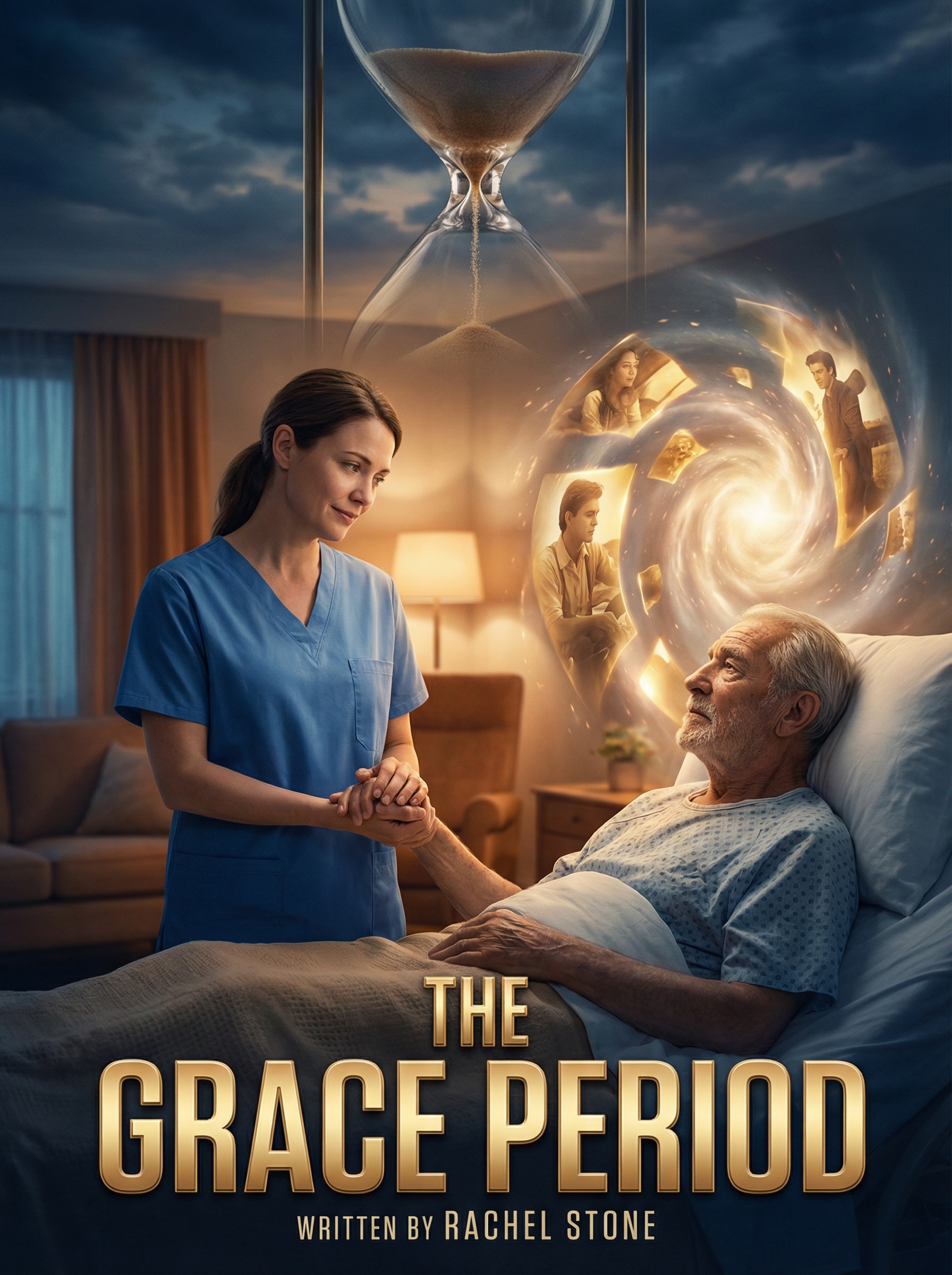
A hospice nurse who helps patients "die well" discovers one of her patients is a time traveler trying to fix their biggest regret before their timeline closes.
The Pitch
Grace Williams has been a hospice nurse for 15 years. She's held 347 hands as people took their last breath. She's excellent at her job because she's emotionally removed - she learned to stop caring after losing her daughter to cancer. When 68-year-old physicist Eleanor Cho is admitted with weeks to live, Grace expects another routine case. But Eleanor is strange. She speaks about events that haven't happened yet. She insists she's not from this timeline - she's from a future where she made a choice that destroyed millions of lives, and she's come back to her deathbed in this timeline to make sure she never makes that choice here. Grace thinks it's delusion caused by medication. Then Eleanor starts proving it. She knows details about Grace's life she couldn't possibly know - including the daughter Grace lost. Eleanor explains that in her timeline, Grace's daughter lived, became a brilliant scientist, and helped Eleanor create the technology that doomed the future. Eleanor's mission: ensure that timeline never happens by preventing a single decision she'll make in these final weeks. Grace is shaken but still skeptical until Eleanor shows her proof: equations that won't be discovered for decades, news events that haven't happened yet, medical knowledge beyond current science. It's real. Eleanor is dying, but she's dying in the past to save the future. The complication: to prevent the catastrophic timeline, Eleanor needs Grace's help to manipulate events around the hospice, including influencing a young physicist currently visiting his dying grandfather in the next room. This physicist is the key - in Eleanor's timeline, she mentored him, and together they created the world-ending technology. She needs to ensure he never pursues that research. But Grace discovers Eleanor is hiding something: the reason the technology was so catastrophic is that it allowed people to prevent deaths - including children's deaths. In the original timeline, Grace's daughter lived because of Eleanor's work. By preventing that timeline, Eleanor is ensuring Grace's daughter dies again. The climax is heartbreaking: Eleanor reveals her final secret. She's not just any physicist - she's Grace's daughter from the original timeline, having lived to 68 and come back to her mother's past to undo her own birth. The catastrophe wasn't technology - it was the psychological collapse of a generation who couldn't accept death, including Eleanor herself, who used the technology to become immortal and lost her humanity. Grace must choose: help Eleanor ensure this timeline stays intact, accepting her daughter's death, or sabotage the plan to give herself a chance at the life where her daughter survives. In the end, Grace helps Eleanor complete her mission. The physicist chooses a different career. Eleanor dies peacefully. Grace cries for the first time since her daughter's funeral, grieving for the daughter she lost twice.
AI Breakdown
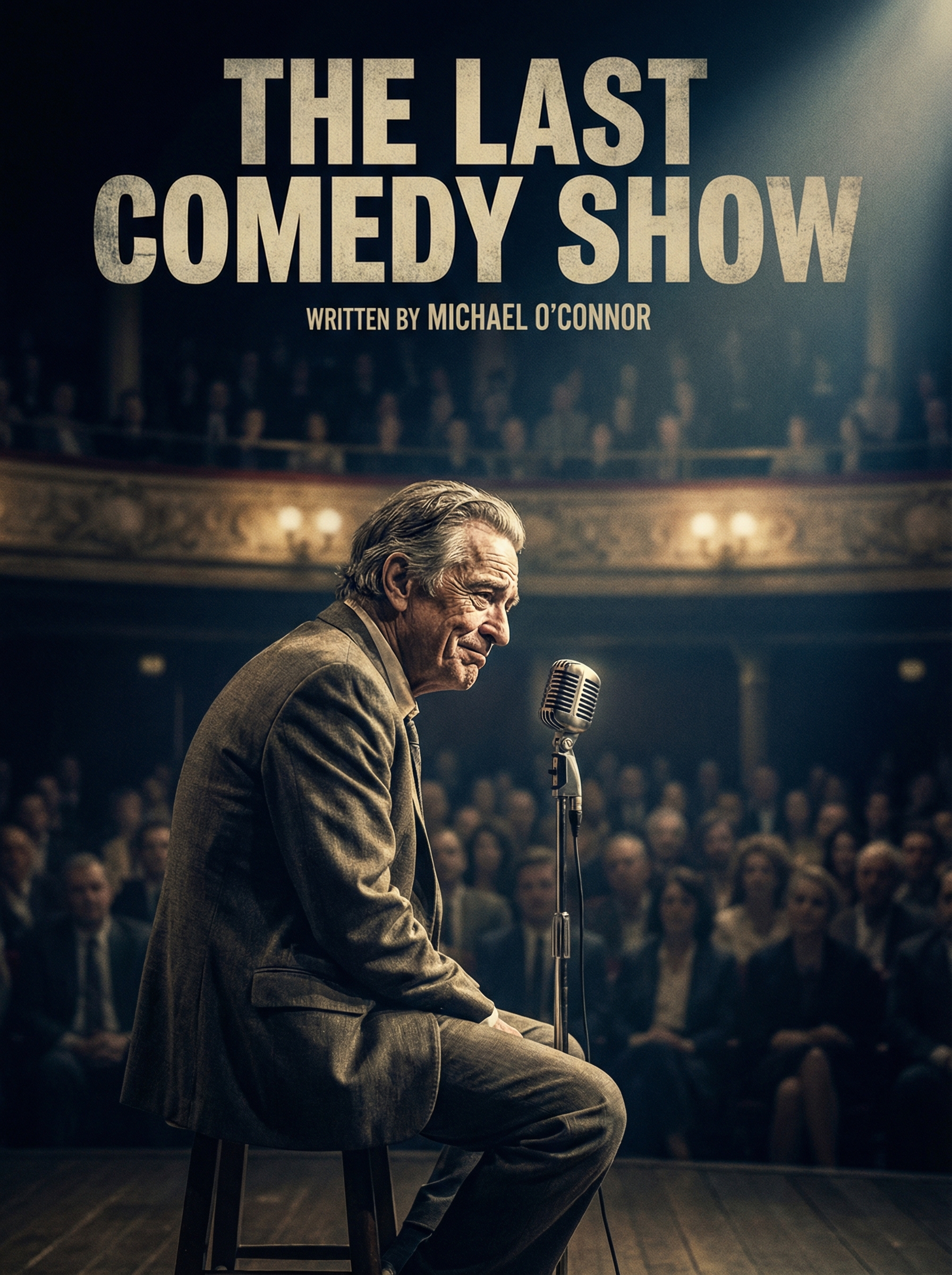
When a legendary comedian is diagnosed with a degenerative disease, they plan one final, honest comedy special - but honesty about their failures, regrets, and pain might destroy their legacy.
The Pitch
Jimmy Katz is a comedy legend. For 40 years, he's been America's funniest man, filling arenas and inspiring generations of comedians. Behind the persona, he's deeply unhappy - his relationships are destroyed, his kids won't speak to him, and he's been lying to audiences his whole career, hiding pain behind punchlines. When he's diagnosed with ALS, giving him maybe two years, he decides to do one final special where he tells the truth. His team is horrified. Jimmy's comedy has always been safe, observational, universally appealing. The truth - about his failed marriages, his struggles with addiction, his fear of irrelevance - will alienate his core audience. But Jimmy is determined. If he's going out, he's going out honestly. As he develops the special, writing jokes about disease, death, and his own failures, something unexpected happens: the comedy is brilliant, but it's not funny in the traditional sense. It's dark, confessional, painful - comedy as therapy. His team argues he's committing career suicide. But younger comedians who visit his rehearsals are blown away. This is what comedy should be: truth-telling, even when it hurts. The special becomes a media event. Will America's funniest man deliver his safest hits, or will he burn his legacy? Pressure mounts from sponsors, networks, and fans who want the old Jimmy. Even his ex-wife shows up, begging him not to air their dirty laundry publicly. But Jimmy's disease is progressing faster than expected - this might be his last chance to speak while he still can. The night of the taping, Jimmy takes the stage and delivers the most honest 90 minutes of his life. He doesn't spare himself or anyone else. He talks about being a terrible father, a worse husband, and a coward who hid behind jokes instead of facing his problems. It's brutal, devastating - and occasionally, unexpectedly, deeply funny in a way that makes you uncomfortable for laughing. The audience doesn't know how to react. Some walk out. Some cry. Some laugh despite themselves. Jimmy ends the special with a haunting closer: "I've spent my whole life trying to make you laugh. Tonight, I just wanted to tell you the truth. If you laughed, great. If you didn't, that's honest too." The special airs and divides the nation. Half hate it, calling it self-indulgent and depressing. Half call it a masterpiece, the most important comedy special ever produced. Critics are split. But Jimmy doesn't care - he's liberated. In his final months, he rebuilds relationships with his kids, makes peace with his past, and finally, genuinely makes people laugh by being himself. The ending shows Jimmy's memorial service, where comedians share stories. The truth is: the special wasn't for the audience. It was for him.
AI Breakdown

A workaholic shop owner accidentally summons a team of fictional Christmas characters, including a Hallmark hunk and a Home Alone kid, to save the holiday.
The Pitch
Kelly Smart, an efficiency-obsessed farm shop owner, plans to modernize her late father's chaotic store, inadvertently summoning a group of fictional Christmas characters into reality. Led by a reformed Scrooge and a generic TV-movie heartthrob named Mark Hall, the group insists they must find Kelly's estranged father, Santa Sam, to lift a curse that is draining the world of color. As Kelly struggles to manage these chaotic personalities, she discovers her father has recently passed away, forcing her to confront her grief and embrace the messy, imperfect spirit of the season to return the characters to their realms.
AI Breakdown
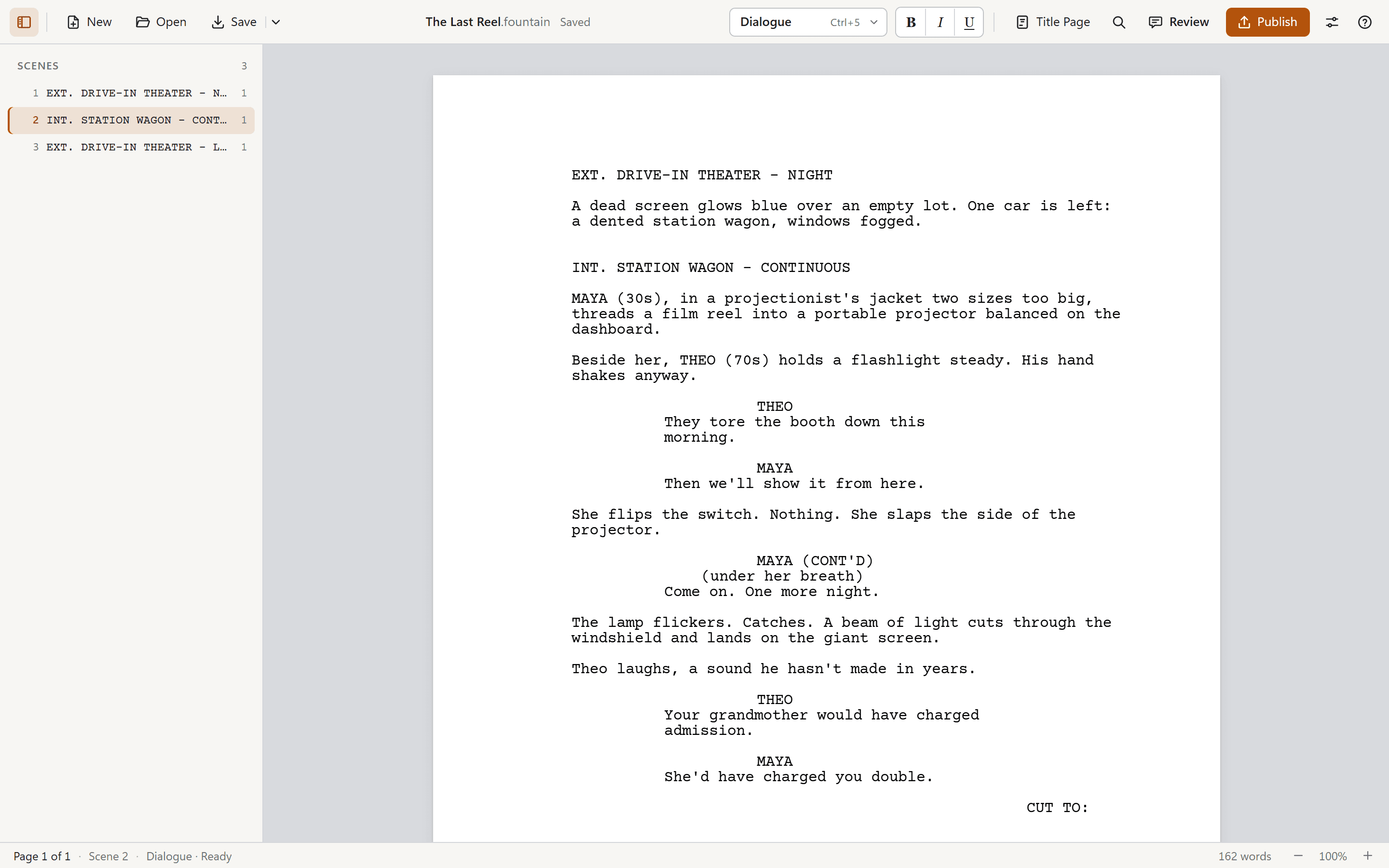
Write it here. Free.
A full screenwriting program in your browser, formatted like Final Draft and saved as you type. When your script is ready, publish it to the leaderboard in one click.
- Industry-standard format; opens and saves Final Draft (.fdx) files
- Saved to your account a second after you stop typing
- An honest AI review, with notes tied to your pages
Monthly Bounties
Top-ranked scripts don't just get discovered. They get paid.
+ Industry Circulation
Ready to break the industry?
Stop querying. Start ranking. Get your score in minutes.